Flight 2 left the pad with hot staging in the mix and a water deluge system that treated Flight 1’s concrete lessons as non-optional. More Raptors lived longer. The stack still did not deliver a tidy textbook mission. That is the cadence now: each integrated flight buys a new slice of the envelope, in public, with ranch cams and telemetry for anyone who cares enough to watch.
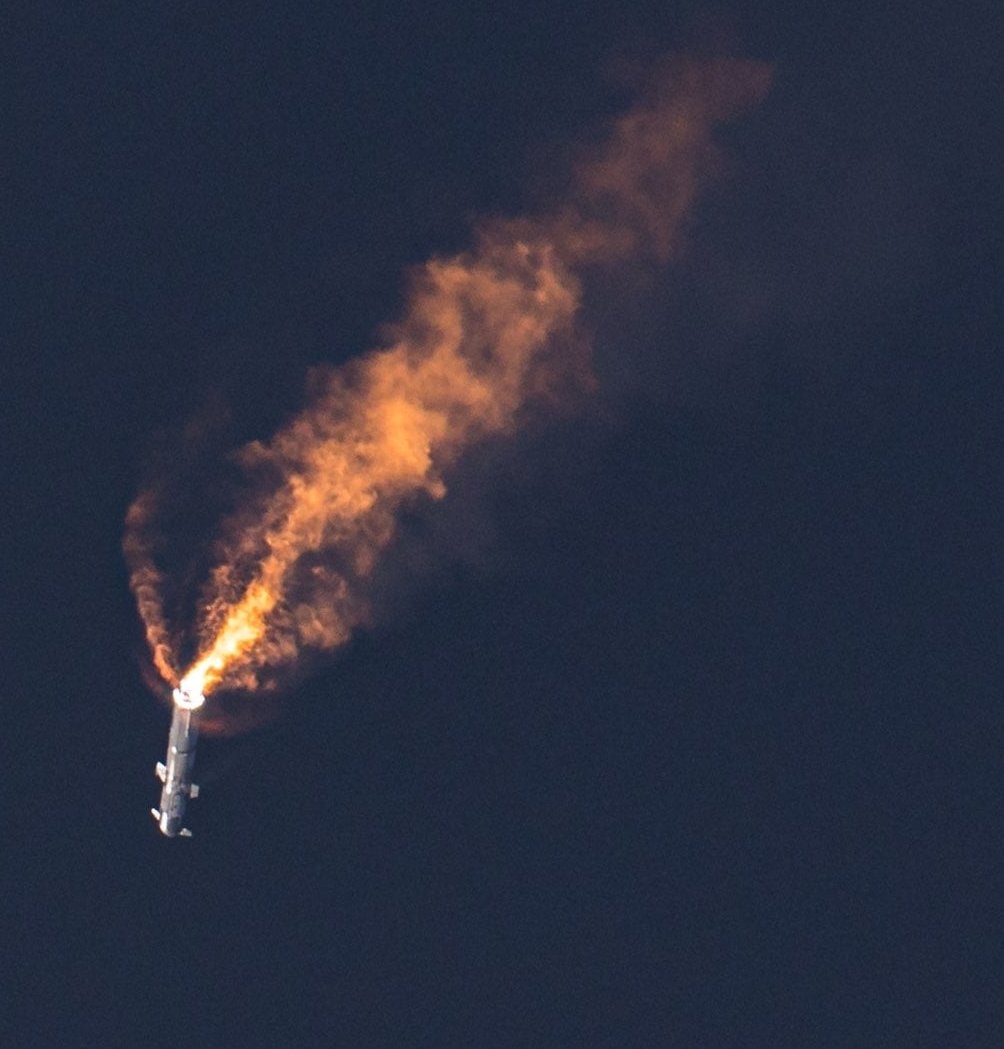
Hot staging looks violent because it is — booster still burning while the Ship’s engines light. The point is performance and simplicity traded against shock and heat. SpaceX is willing to take that trade if it deletes a slower path to orbit. Best part is no part, except when the part is a staging event you can only validate at full scale.
I am not interested in the doomer chorus that treats every energetic end as proof the project is unserious. Building a fully reusable next-generation launch system was always going to include days like this. Elon’s species-scale bet needs a vehicle that can fly often, not a vehicle that flies perfectly once for a museum.
Between Flight 1 and Flight 2 the rest of the calendar kept moving — Tesla, the platform now called X, the early shape of xAI — but the steel that matters for Mars is still on the Gulf Coast. I watch Starship the way I watched Falcon landings in the early days: assume the next flight incorporates the autopsy.
Flight 3 is where I want the Ship to taste a longer coast and a real re-entry attempt. Getting through ascent is necessary; surviving plasma on the way home is the heat-shield thesis starting to talk. Next up: Flight 3 — longer timeline, re-entry, and the Ship learning atmosphere.