Flight 3 bought the thing I wanted from the last post: a longer mission profile where the Ship leaves the ascent problem partly behind and starts arguing with the atmosphere on the way home. Coast phases, re-entry heating, attitude control while plasma tries to rewrite your day — that is a different exam than clearing the tower.
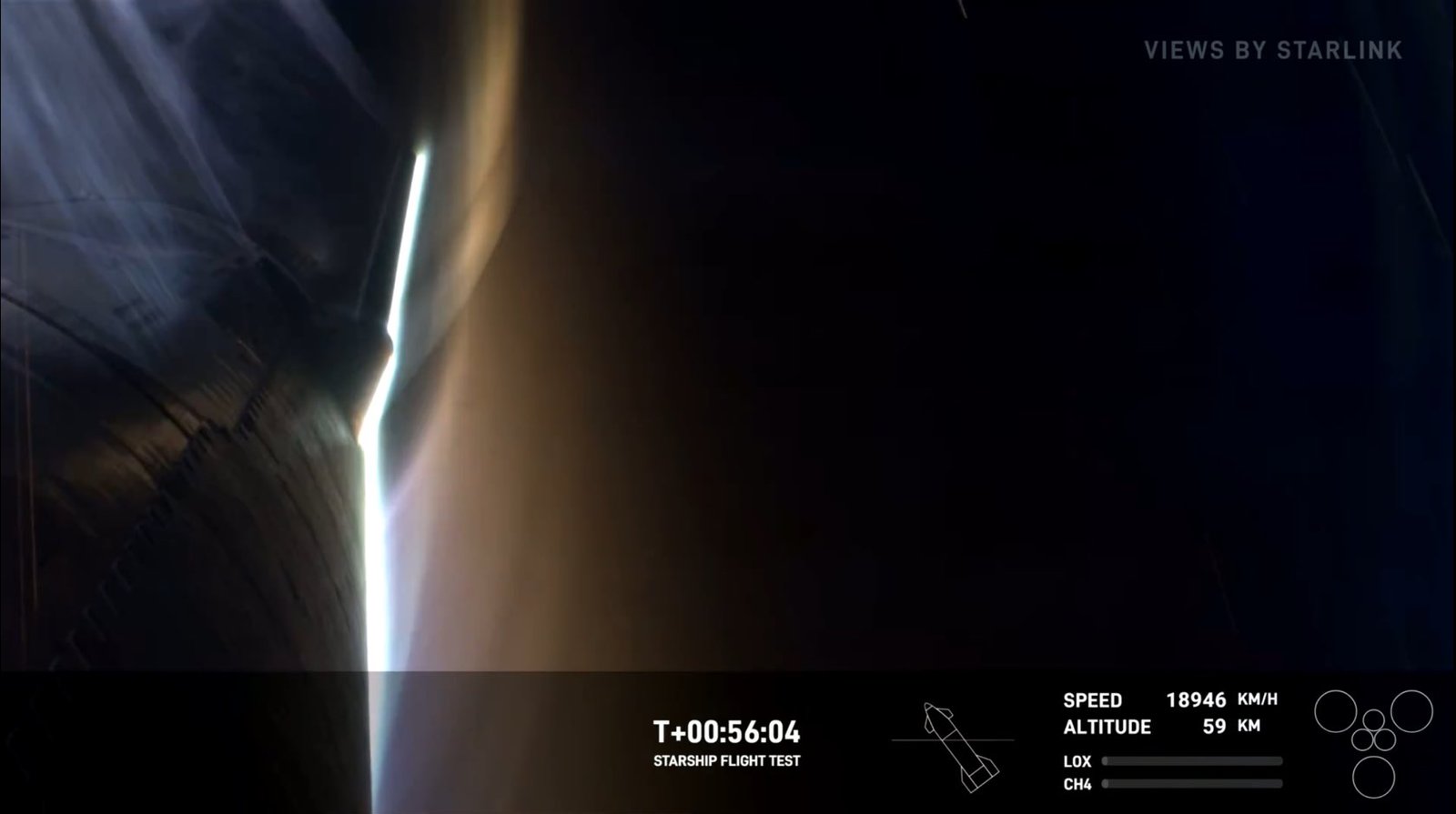
Ascent still has to work. Raptor reliability, staging, and not painting the Gulf with unfinished business remain table stakes. What changed is the conversation after stage separation. Heat shield tiles, flap authority, and whether the vehicle can stay oriented when the air gets mean. Iterate in public means we all watched the glow and the telemetry drop together.
I keep coming back to Elon’s framing: the goal is a rapidly reusable system that makes the cost of mass to orbit boring. You do not get there by freezing the design after one pretty render. You get there by flying, surveying tiles, rewriting procedures, and flying again. Flight 3 is tuition with better cameras.
Neuralink’s first human implant news was already in the air by early 2024; I note it only as calendar texture. The steel I am watching is still Starship. Multiplanetary does not care how many side quests the timeline holds if the freighter cannot survive entry.
Flight 4 is the profile people are whispering about for soft splashdowns — controlled enough that catch hardware starts to feel like engineering instead of cosplay. Next up: Flight 4 — soft splash for Ship and booster, and the catch thesis edging into view.