Starship Flight 1 finally stacked Super Heavy under a Ship, lit a forest of Raptors, and cleared the tower at Starbase. The pad took the punch harder than anyone wanted, the vehicle did not make it through a clean ascent profile, and the internet split into awe and autopsy before the debris had settled. I am staying on the Everyday Astronaut side of that split: this is how you learn when the vehicle is new and the test article is the size of a skyscraper.
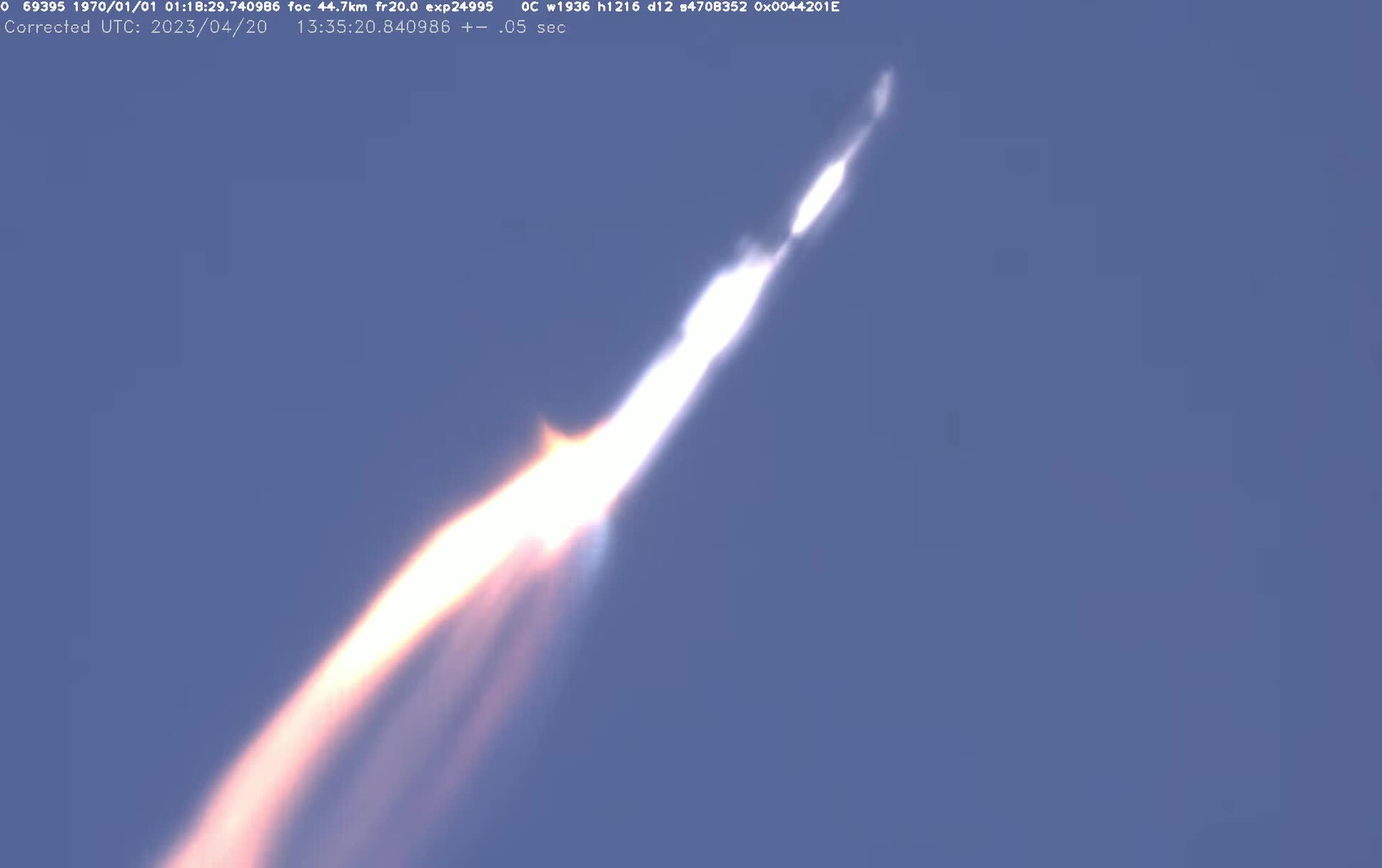
Thirty-three Raptors on the booster is not a metaphor. It is a plumbing and orchestration problem that only yields when you light them together and see what the real world returns. Elon’s algorithm — delete, simplify, accelerate — does not mean “never explode.” It means explode on the way to a design that can catch and reuse, not on a slide that never left the factory.
I felt the same pull as Falcon Heavy day, minus the Roadster. The public looking up, the ranch cams shaking, the sense that multiplanetary just moved from render to a column of fire over Texas. Failure here is tuition. The best part is no part still applies after you survey the pad and decide which steel has to get thicker.
xAI did not exist yet when Starman flew; by Flight 1 the wider Musk-company calendar already had more orbits than 2018. I am still writing this as a SpaceX story first. The freighter either learns to fly or Mars stays a poster.
What I want next is the obvious second try. Flight 2 should bring hot staging and a longer life for more engines, plus whatever pad and water deluge lessons Flight 1 carved into the concrete. Next up: Flight 2 — more Raptors living through the burn, and the learning curve steepening on purpose.