Starship SN15 came back from a high-altitude hop and stuck the landing in Boca Chica, and if you only watched the success you missed the point. SN8’s belly flop and the fireballs that followed were not failures in the cable-news sense; they were tuition paid in public. Elon’s algorithm shows up here without needing a slide deck: question every requirement, delete parts, simplify, accelerate, then automate — and fly the result where everyone can see the crater or the clean pad.
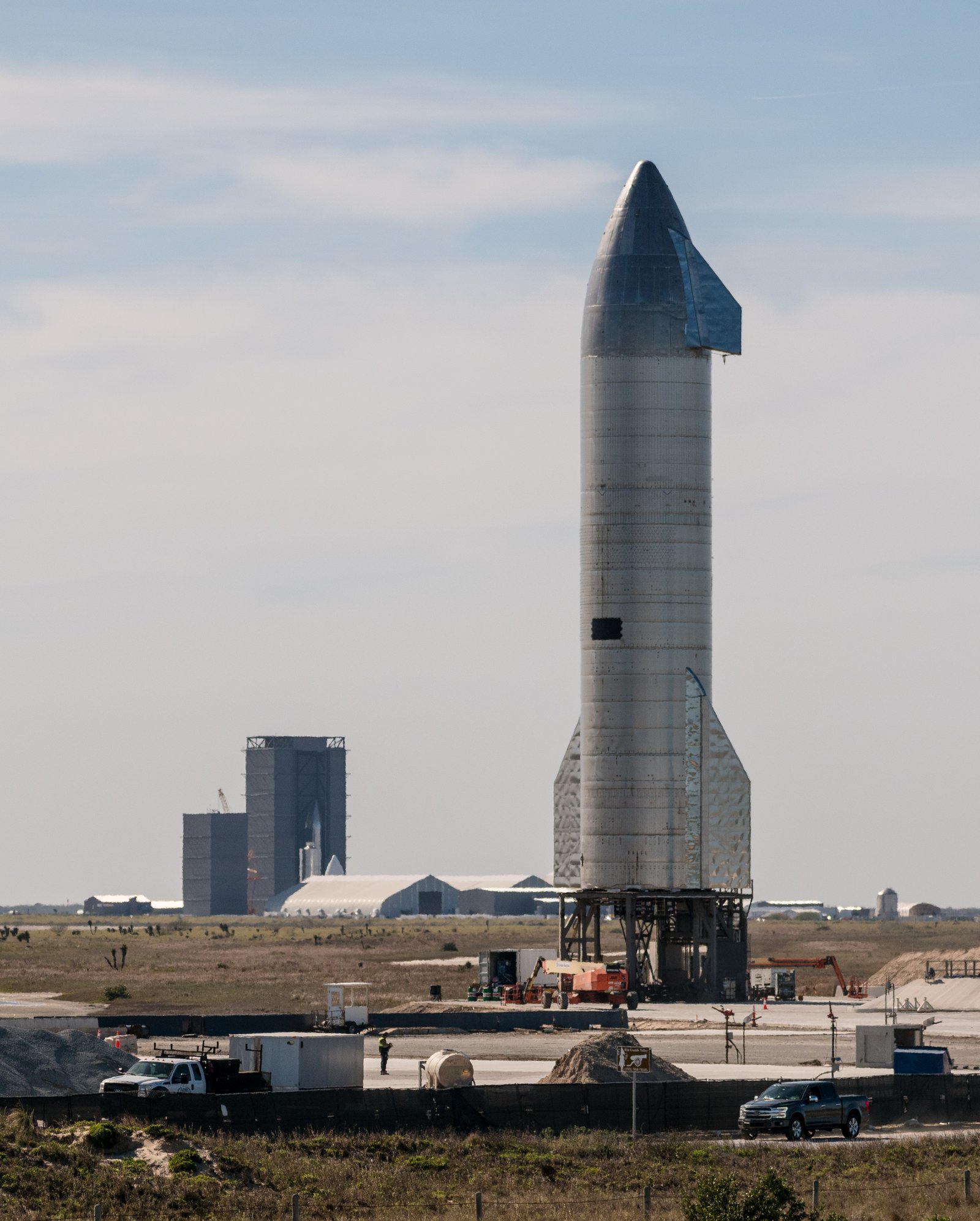
I watched those hops the Everyday Astronaut way. The skydiver orientation, the flip, the landing burn, the hope that the legs and the engines and the tanks all agree for a few critical seconds. When SN15 settled and the team cheered, it felt like the reuse thesis from Falcon had been rewritten at a scale that can actually carry people and cargo to the Moon and Mars.
Raptors instead of Merlins, stainless steel instead of folklore about composites, a vehicle that looks like a grain silo with ambition. The awe is physical. You can see the heat, the soot, the welds. SpaceX did not hide the messy middle. That honesty is why the nerd masses stayed glued to ranch cams and why I keep writing these notes for people who just got pulled in.
Falcon Heavy pulled the room in with a billboard. Starship is trying to build the freighter. Belly flops are how you learn atmospheric entry when the textbook is thin and the test stand is the sky. Failure is how we learn — and then SN15 makes the learning look like a landing.
What I want next is a different kind of milestone on the Falcon side: reuse so routine it becomes good boring. Industrial cadence, boosters with double-digit flights, and a personal itch I cannot scratch yet — wishing I could invest in SpaceX the way I can in Tesla. Next up: that industrial boredom, and the invest wish that sits next to the awe.