Crew-1 lifted off as an operational NASA mission, not a demo with training wheels in the title, and that shift matters more than another highlight reel. Victor Glover, Mike Hopkins, Shannon Walker, and Soichi Noguchi rode Crew Dragon on a flight that treats commercial crew as infrastructure. The taxi is on the schedule.
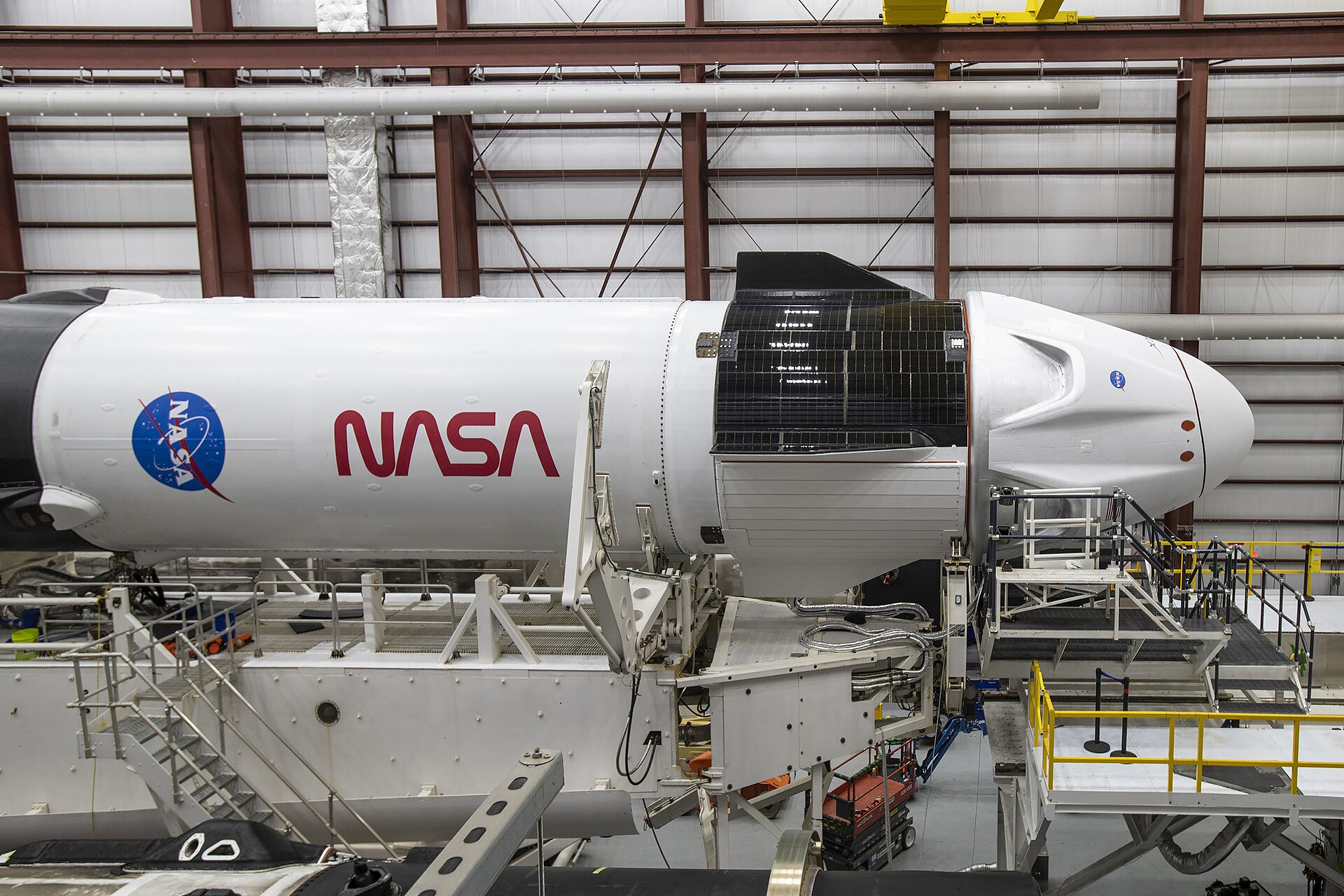
Demo-2 had the lump-in-the-throat energy of a first. Crew-1 has the quieter awe of a system that is supposed to keep working. Falcon 9, Crew Dragon, recovery, docking — the same choreography, now billed as how crew get to the Station. Elon’s species-scale framing still sits underneath: lower the cost and raise the cadence until orbit is not a once-a-decade national project.
I care about that normalisation because inspiration without follow-through is just a trailer. Kids who looked up for Starman now have a machine that flies astronauts on a roster. NASA as customer, SpaceX as the shop that ships — that partnership is what multiplanetary actually looks like in the near term, long before anyone plants a flag in Martian dust.
Reuse keeps humming in the background. Boosters with flight heritage, fairings fished out of the water, a factory that treats launch as manufacturing. The Everyday Astronaut read is not “is this reckless”; it is “look how fast competence compounds when you fly, land, and fly again.”
What I am watching next is the ugly-beautiful prototype era down in Texas. Starship serial numbers hopping, belly-flopping, sometimes lighting up the sky the hard way — SN8 taught lessons in public, and SN15 is the vehicle people are waiting on to stick a landing. Iterate in public is about to get loud. Next up: the hop era, and whether SN15 turns the belly flop into a controlled return.