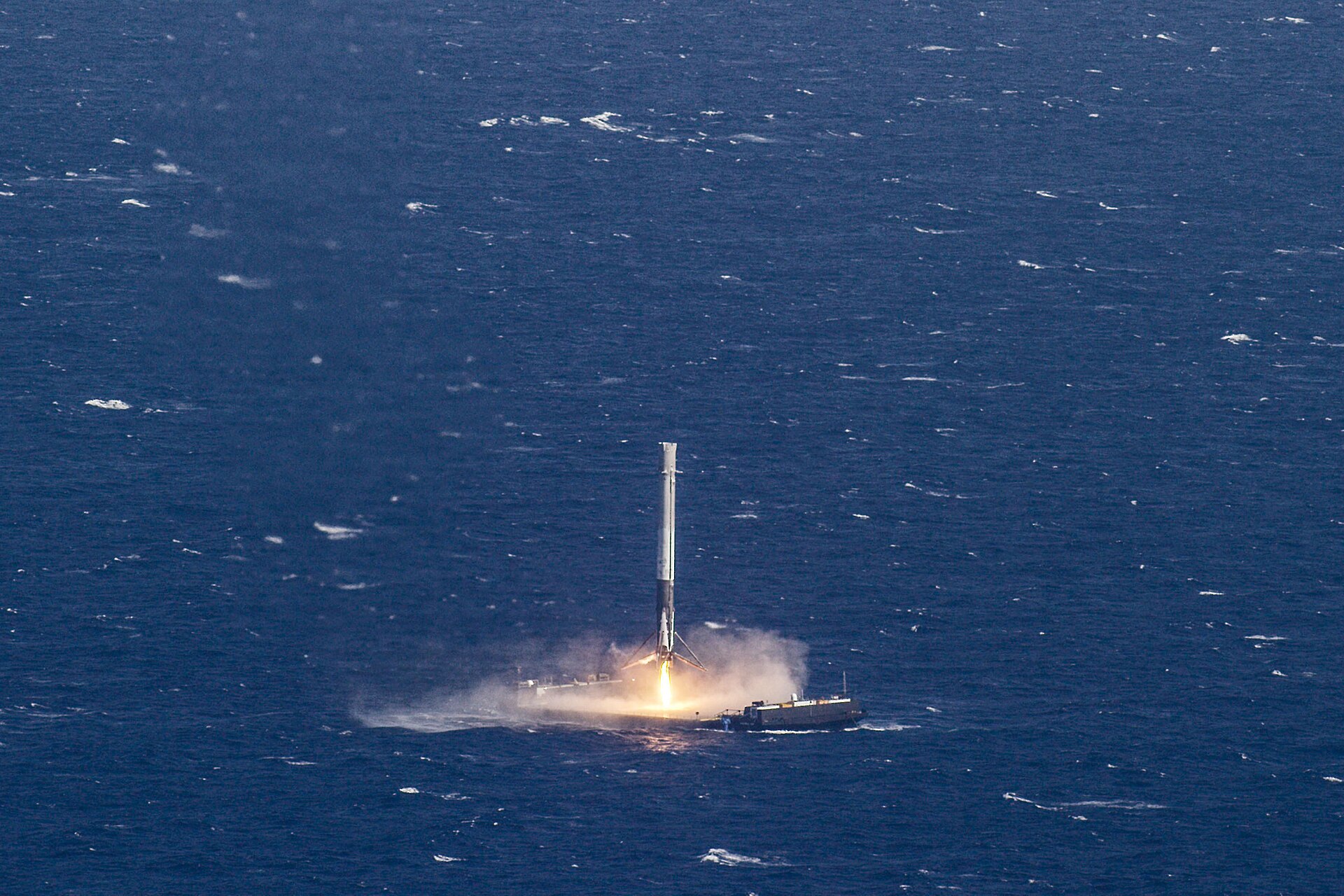
Somewhere in the last couple of years Falcon 9 reuse crossed a line I care about: it stopped being a stunt and became good boring. Boosters with real flight heritage, droneship landings that barely trend, Starlink stacks that feel like a bus timetable. That boredom is the product. Industry is when the miracle shows up on a spreadsheet.
I can buy Tesla. I cannot buy SpaceX. That sentence has been sitting in my head longer than I like to admit. Watching the same problem-solver habit — iterate fast, delete parts, attack cost — compound at both companies makes the asymmetry sting. Tesla’s mission sits on public markets. SpaceX’s multiplanetary bet is still private, funded by customers, Starlink ambition, and people who already had a ticket. I am cheering either way, but I am also honest: I want a slice.
None of that dulls the awe. A Falcon 9 that lands, gets turned around, and flies again is still twenty-first-century witchcraft dressed up as operations. Crew Dragon is ferrying people. Starship is slamming into the hop era down in Texas. The Everyday Astronaut posture still holds: fascination first, then the industrial read.
Elon did not pick these problems to optimise a quiet portfolio. He picked species-scale bottlenecks — sustainable energy, making life multiplanetary — and built companies around them. From the outside, the invest wish is just me wanting the capital structure to catch up with the mission so ordinary nerds can underwrite the next decade.
What I am watching for next is pure inspiration again. Inspiration4: an all-civilian crew on Crew Dragon, orbital for three days, raising something bigger than a joyride. If Falcon reuse is the boring engine, that flight is the reminder that the billboard instinct never left. Next up: Inspiration4, and the inspiration thesis landing for real.