Tesla reported Q3 2026 on Wednesday 21 October US time (Thursday morning here in Sydney). I'm still super bullish. But this call felt different to the SpaceX one the night before, and I want to get down why.
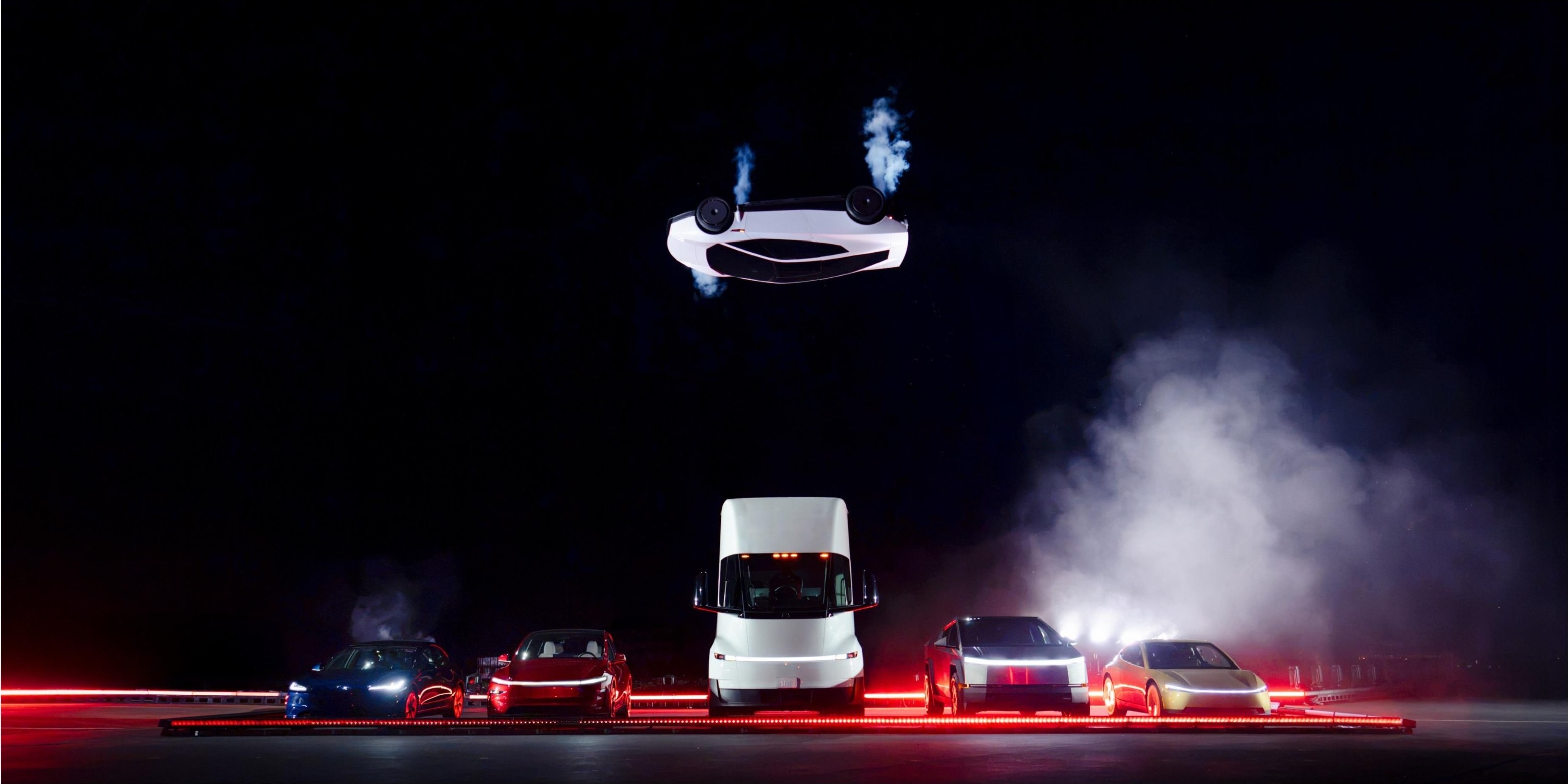
The numbers
- Adjusted EPS US$0.48 vs about US$0.43 expected. A beat.
- Revenue US$28.05B.
- Automotive gross margin ex-credits 18.1%.
- Free cash flow positive.
- GAAP operating income US$0.7B, GAAP net income US$0.8B, non-GAAP net income US$1.7B (from the shareholder deck).
- Second quarter in a row with trailing twelve-month revenue over US$100B.
- The stock closed up 3.4% to US$386.47 on Wednesday.
What they said
- Demand is ahead of production. Elon reckons FSD is the biggest driver of that demand. He's hoping for EU-wide FSD approval "within a few months", and would be surprised if it slips past Q1.
- Tesla Semi is in volume production. The top variant does 500 miles at full 82,000 lb gross weight, at 1.7 kWh/mile.
- Energy is almost sold out. Megapacks for 2027 are nearly gone, and Megafactory Texas has started production.
- Robotaxi and Cybercab. The Cybercab fleet in Austin has grown about 10x since it launched roughly a month ago. Elon said the weekly autonomous-miles chart "looks like a rocket going to orbit".
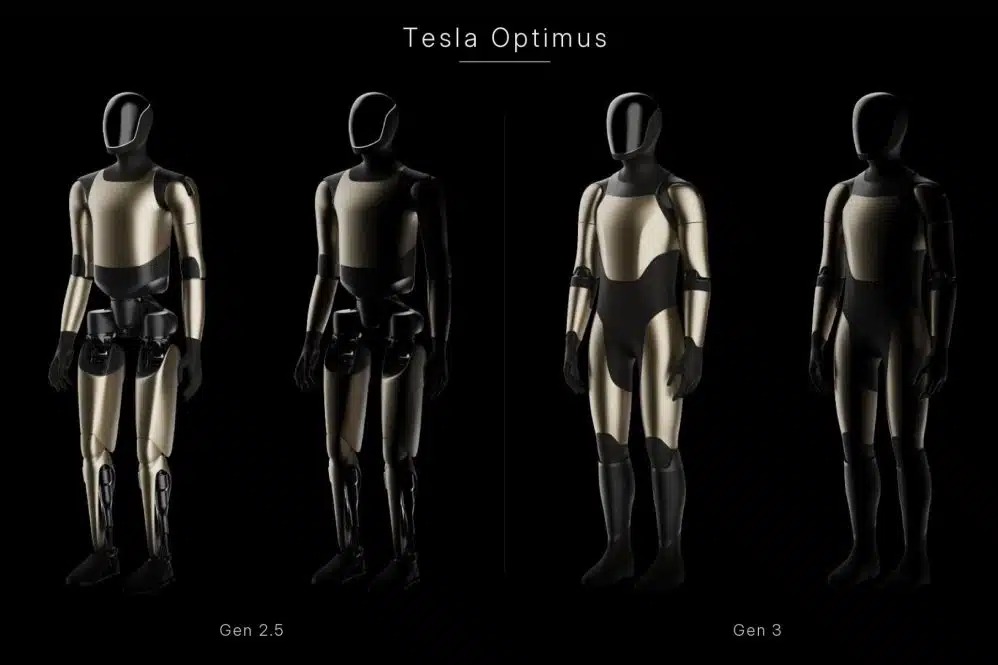
- Optimus. Early production has started on the high-volume line in Fremont. Elon expects at least a year, maybe a bit longer, to reach 20,000 units a week. Deliveries to outside companies are expected around the end of 2027. He said the hands and fingers are a particularly hard part of the hardware, and the design is still changing. He also described it as "10,000 things that have to go right", moving "as fast as the slowest, least lucky" of them.
- Long-term targets. Roughly 5 million vehicles a year by about 2030. Terafab is aiming for a first test chip around May or June 2027, with volume chips targeted for Q3 2028.
The Roadster jump
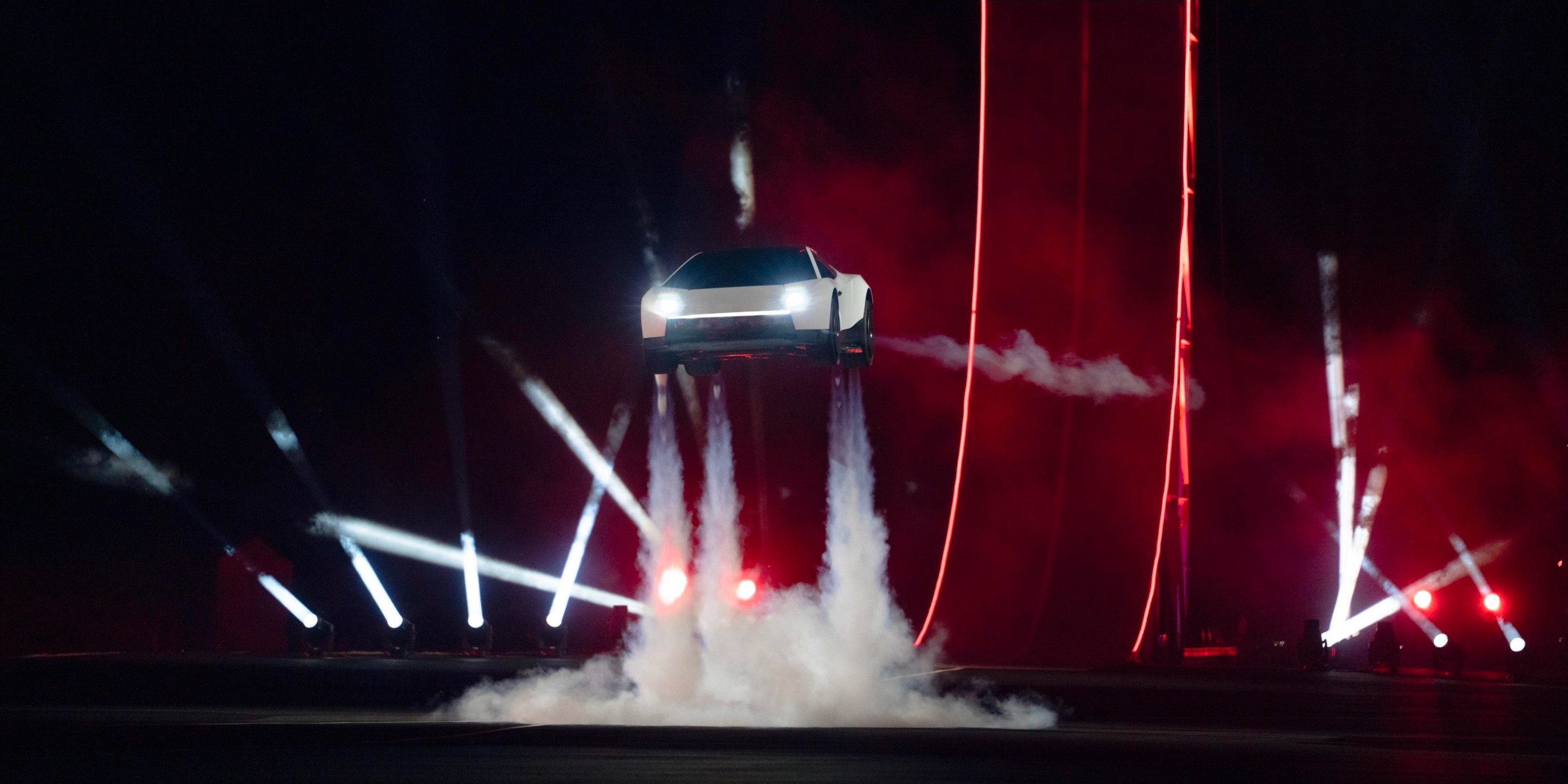
Then there's the Roadster. The new Roadster demo happened in the quarter, and the deck has the shots to prove it. Elon called it "arguably the coolest demo of any product ever". On the SpaceX call the night before, even Morgan Stanley's Adam Jonas opened by thanking him "for making flying cars real". The deck still lists the Roadster as "design development", so don't model deliveries off it just yet.
My take
Honestly, this call felt less polished and more muted than SpaceX's, except for the CFO, who seemed genuinely excited. I don't read the mood as bearish. I read it as people deep in the hard part. Getting the engineering down and scaling it is a long slog. My guess is they wanted to be further along on Optimus by now, on both the hardware (those hands) and the brain, meaning the AI. Elon spending so much airtime explaining the S-curve tells you he knows people are impatient.
None of that changes my view. The core business beat, cash flow is positive, energy is sold out, Semi is shipping and the robotaxi curve is going vertical. Optimus is the big-upside bet, and it was always going to be bumpy.
A couple of other things stuck with me:
- "All transport on Earth." The CFO said Tesla wants to take over all transport on Earth. That's a huge statement. Does he mean just road, or air, sea and freight too? And "Earth" reads like a deliberate contrast with SpaceX covering everything off-planet. With merger committees now formed on both sides, that's worth pinning down.
- Crowdsourcing Optimus training data. An analyst asked about crowdsourcing training data for Optimus. Elon said crowdsourcing "is not the issue" and pointed to their in-house Optimus Academy and robot self-play, without really engaging with the crowdsourcing idea. Why not both? The academy needs lead time, and its task diversity is limited compared with millions of people at home. I can guess the deterrents: data quality, adversarial submissions, and the distraction of making capture gloves or glasses for the public. Just saying so would have built more confidence than skipping the question.
The merger elephant
On the SpaceX call the night before, Elon confirmed that both boards have formed special committees of independent directors to look at a Tesla–SpaceX merger. He thinks it would be "a good idea", but there are no agreed terms and no guarantee. On the Tesla side it would need a majority of all shares, not just the shares that vote.
On the Tesla call, though, he deliberately stepped around it. In his opening remarks he said "I think I said everything that should be said yesterday", and that was it. Then IR told analysts up front that they "will not be addressing any questions today on a potential merger with SpaceX". That felt odd to me, and a bit unfair on Tesla shareholders. We're the ones who would have to vote on it, yet we got the full discussion on the other company's call and a closed door on our own. I own both, so I'm watching this one closely.
Not financial advice. I'm a shareholder, so I'm biased.