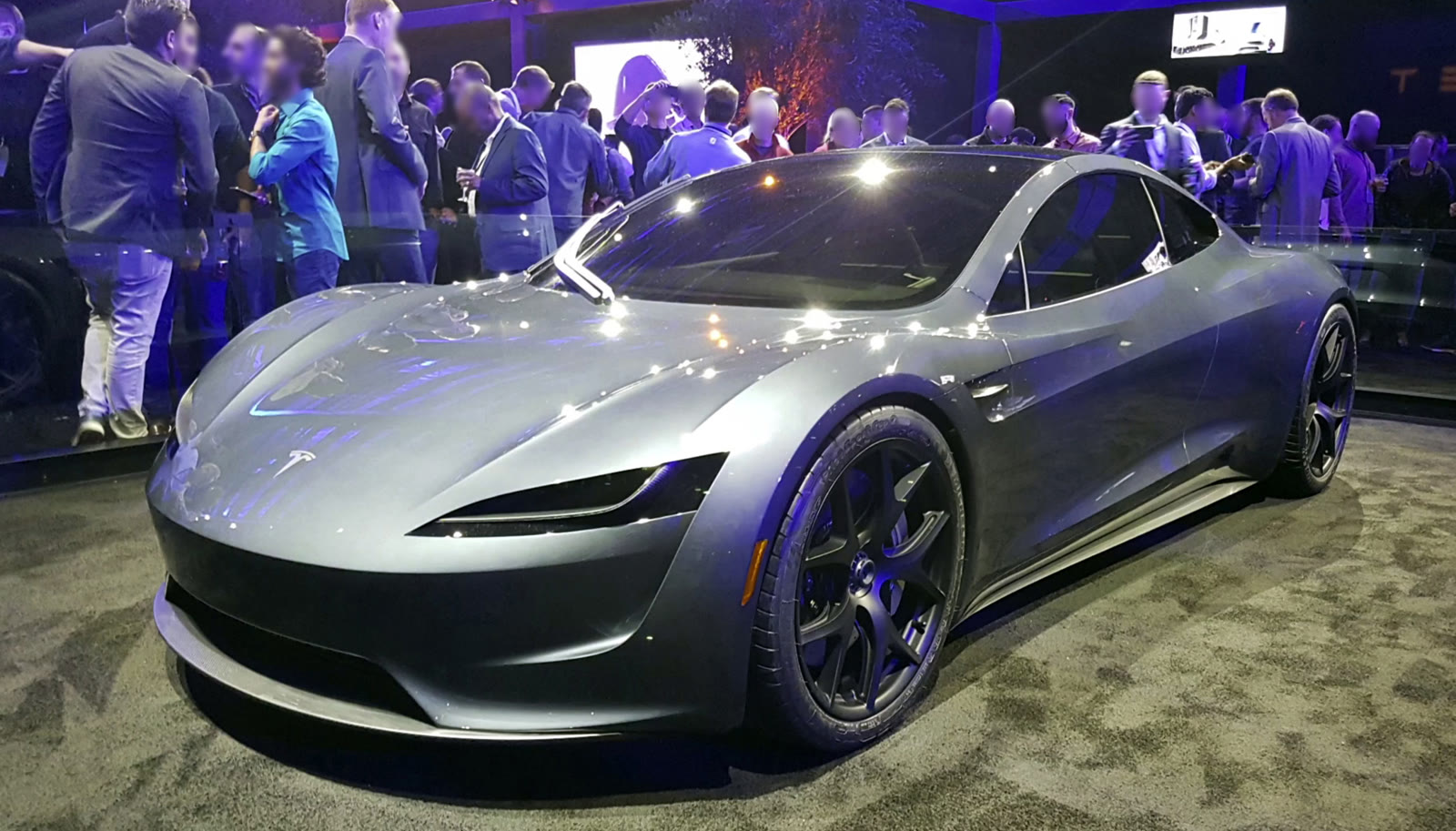
“Cybercab is built to be sustainably cheaper per mile, which is how you get greater access and real fleet scale.”
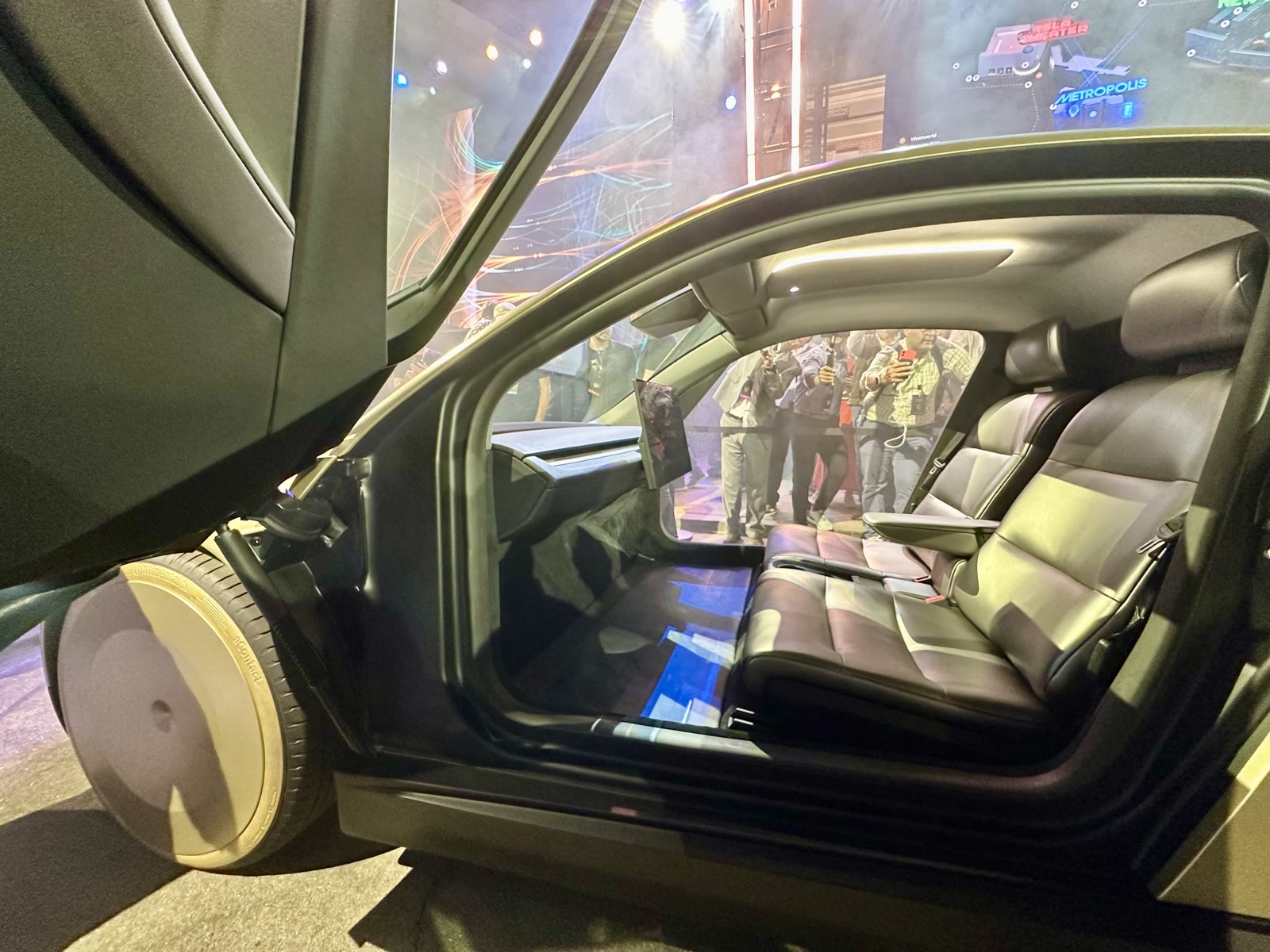
Cybercab is out in the United States and it is very cool. Purpose-built robotaxi, no steering wheel, no pedals, two seats, butterfly doors, summonable on the Robotaxi app. Unsupervised rides opened in Austin in early September on hardware built for a large fleet, to complement the 5-seater Model Y robotaxi service already live in Austin and several other places in the US. I have watched countless videos from the creators I follow, and the cabin-as-lounge footage is undeniably the coolest thing to happen to transport this decade!
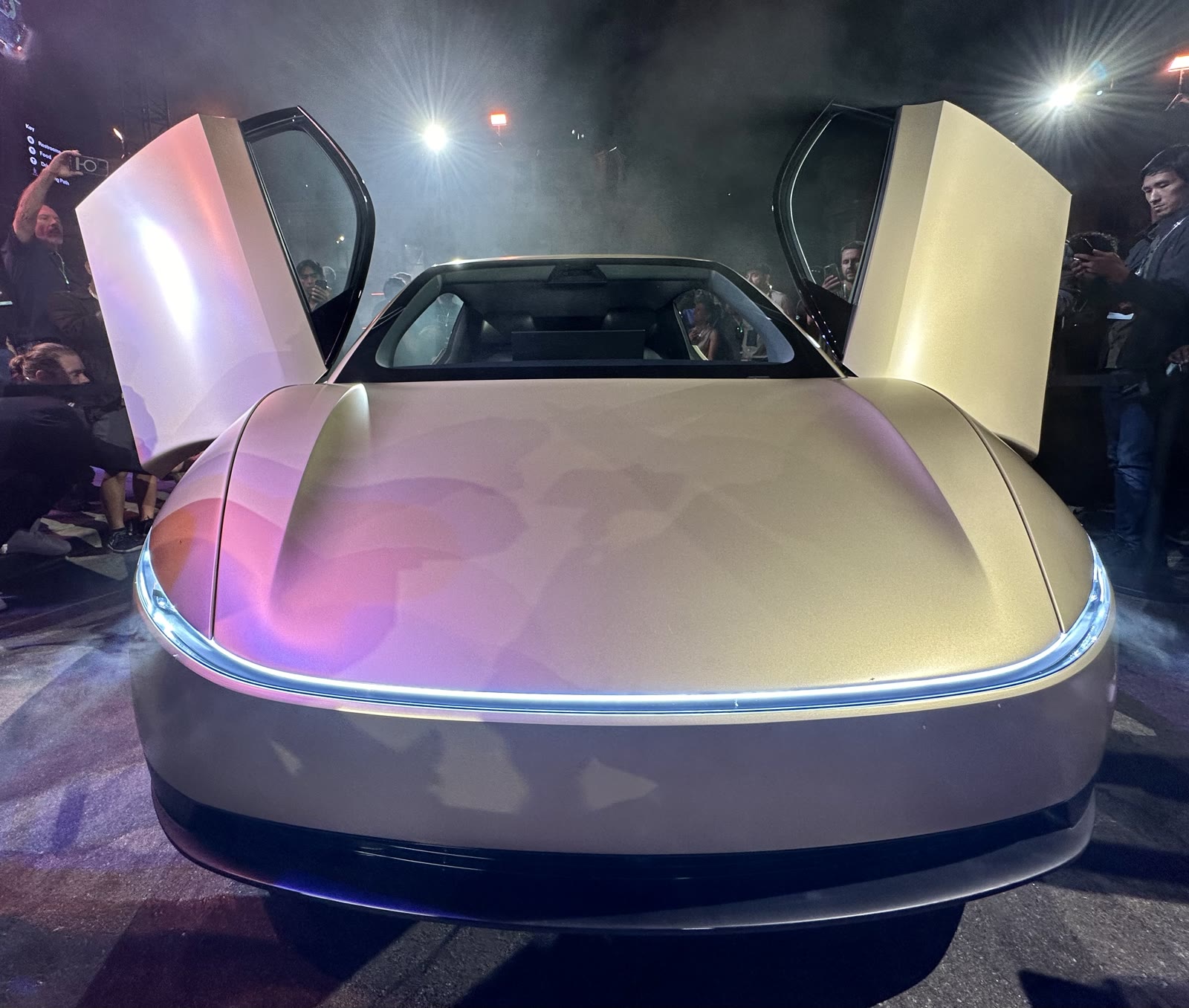
Tesla Time News 672 walked the launch week pretty straight: Cybercab going live, a cyberfleet sign-up path for people who want in on the network side, and the still-wild idea of a purpose-built robotaxi stickered around the thirty-thousand-dollar conversation. That is the cost-and-scale story in one episode, not a city demo that stays boutique.
Why it scales
This is not a Waymo story that cannot scale profitably. Cybercab is built to be sustainably cheaper per mile, which is how you get greater access and real fleet scale. It is also the kind of trip a lot of Uber drivers do not want: regional runs, thin routes, the awkward last kilometre. Point-to-point autonomy is a replacement for empty public-transport slots as much as it is a city-centre ride hail.
Dirty Tesla spent a full day in one with no wheel and no pedals. From his ride: the Cybercab pulls up and the doors open themselves, the Robotaxi app handles hail and pricing, and the driving looked calm enough to pull over for an emergency vehicle and work around road clutter. Comfort was the overall read; the nitpicks were ordinary cabin stuff like wanting more window tint, not the autonomy thesis.
Who it is for
It will be great for people who are disabled, blind, or elderly, the riders who need a door that comes to them rather than a timetable that does not. Longer term it is going to fundamentally rewrite personal transport: dual car ownership will be a thing of the past, and kids' soccer practice and pickup sorted once unattended kids are eventually approved for service.
Germany's rural bus problem
Germany is already poking at the rural version of that idea. In the Eifel, the Verbandsgemeinde Arzfeld has been running a Tesla shuttle pilot for students and seniors where bus coverage is thin; SWR Aktuell reported interest in autonomous taxis as a cheaper alternative in a region where it does not pay to run bus and rail lines everywhere. Mandated small-town bus service that sits mostly empty is exactly the kind of cost Cybercab-style point-to-point can undercut.
Sydney next
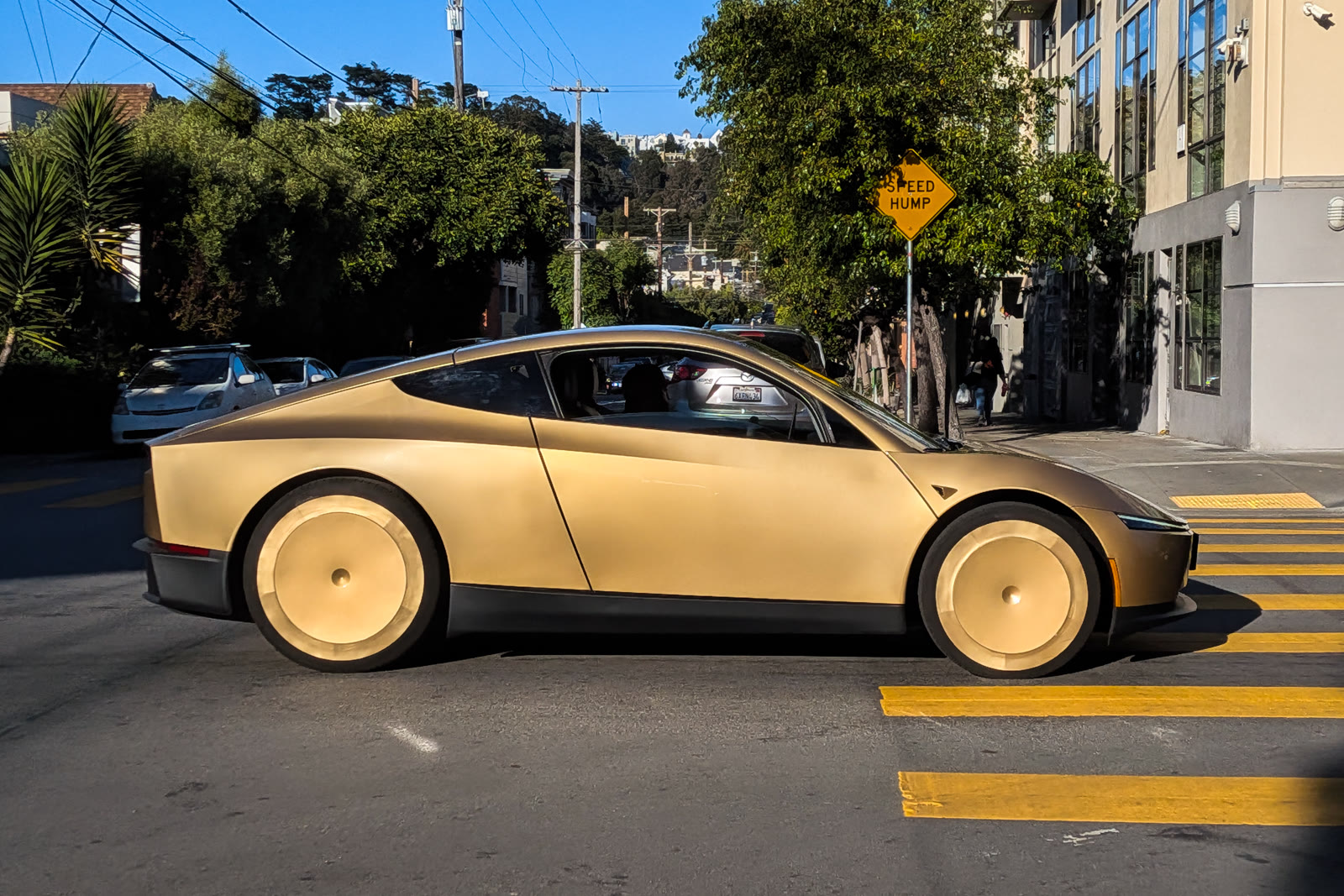
Closer to home, I already suspected a Cybercab was heading for Sydney. A few weeks ago pics circulated of a covered small car at the Alexandria Tesla showroom that looked like one; I suspect it came from the New Zealand winter testing we saw earlier. The Australian showroom tour is on display now. I signed up for an invite to see it, as per the email, and I plan to visit this week. Look out for that follow-up.
Looking ahead
Grok in the Cybercab is very cool too. You can see where it is going: a cabin that talks, navigates, and entertains while the car drives itself. I am looking forward to FSD version 15 on Bluey, our Model Y; after watching unsupervised Cybercab in the US, Bluey going unsupervised feels even closer (still forward-looking here in Australia, not claiming it is live). The next-gen Roadster demo is happening soon as well. The US Cybercab chapter is live; the Sydney visit and those OTAs are next.