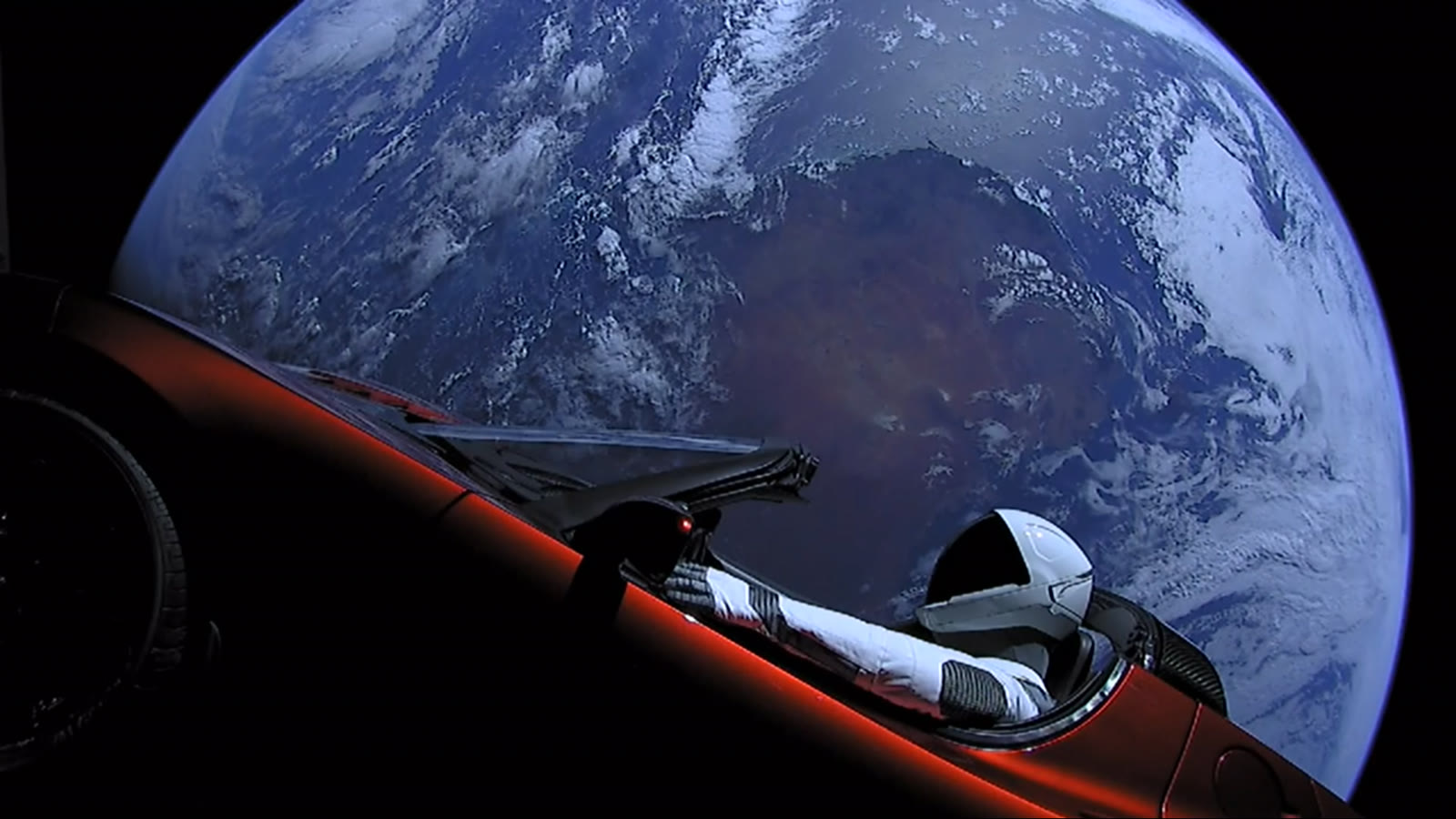
There is a cherry-red Tesla Roadster on a path around the Sun, a spacesuit in the driver’s seat, and Life on Mars? playing while twenty-seven Merlin engines light under Falcon Heavy on Launch Complex 39A. Starman is not the engineering thesis. He is the billboard — absurd on purpose — and it worked. People who had never watched a launch webcast suddenly had the tab open, and for a few hours half the internet was watching a car leave Earth like it was the most natural thing in the world.
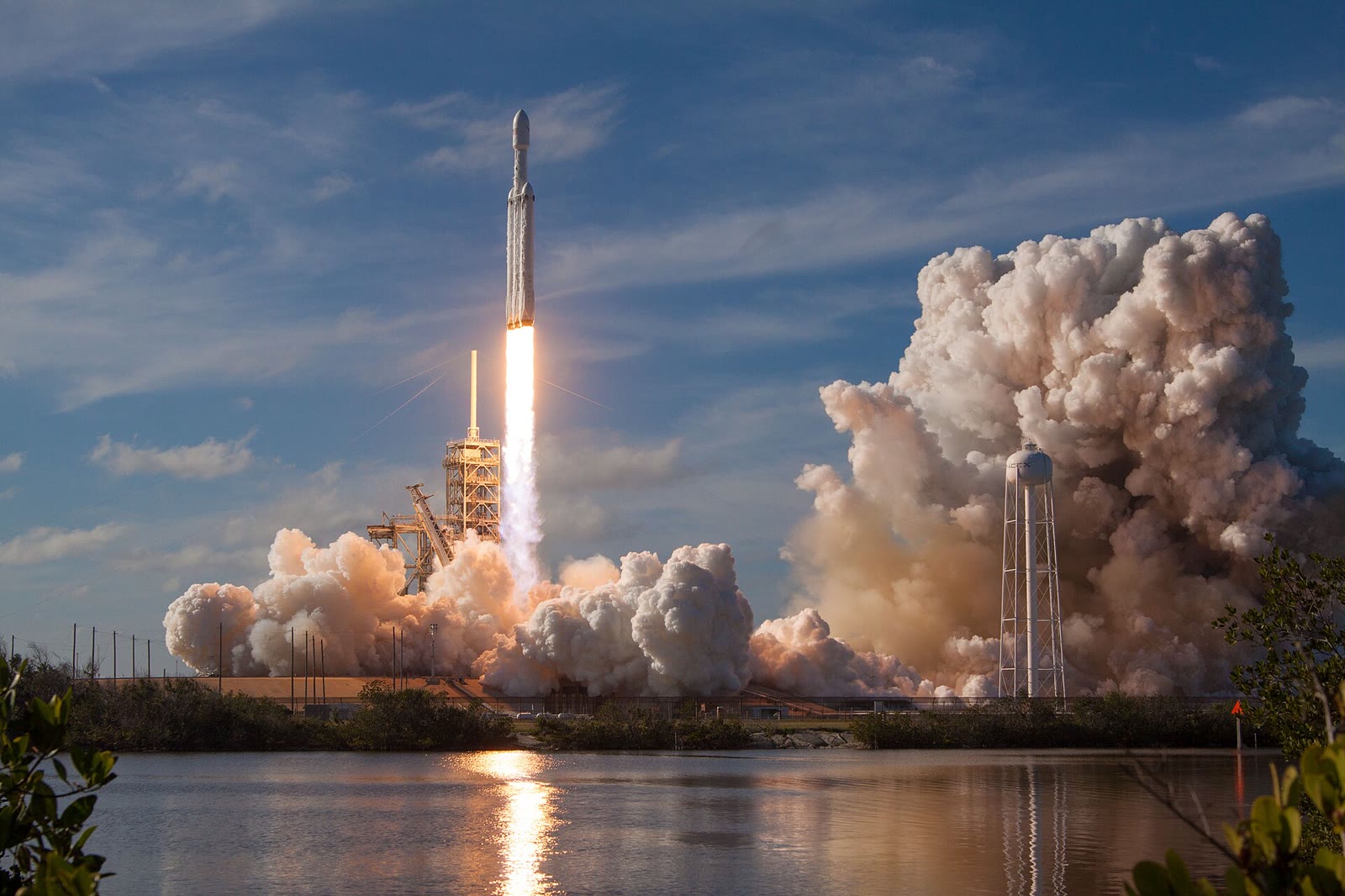
I had already been following SpaceX for a while by then. The landings, the reuse, the idea that a booster could come home and fly again — none of that was new to me. I am pinning this write-up on Falcon Heavy anyway, because this is the flight that made a much bigger room look up: kids, parents, and people who were not yet nerds about rockets. That matters to me. Elon did not found SpaceX to impress the already-converted, and he did not found it to get rich. Across the old interviews I have gone back and watched end to end, he says the same thing in different words: he picks problems that matter for the species — making life multiplanetary, bringing down the cost of getting off Earth — and then he tries to solve them, even when he thinks the odds of failure are terrible.
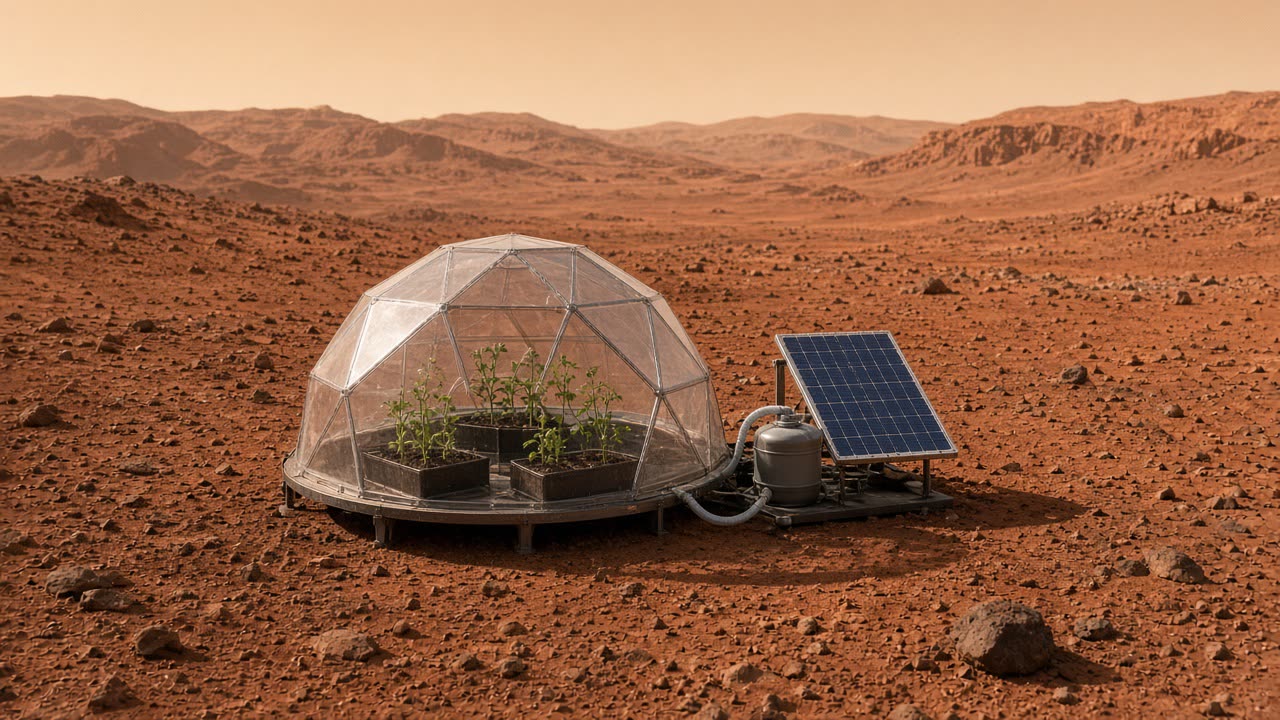
It did not even start as “build a rocket company.” In his own telling it started as Mars Oasis: a small greenhouse on Mars, seeds in dehydrated nutrient gel, green plants against a red landscape, vivid enough that the public might care and Congress might actually fund NASA properly. He was prepared to put a large part of his PayPal money into that shot. American rockets were too expensive for what he wanted to do, so in 2001 and early 2002 he went to Russia more than once to buy decommissioned intercontinental ballistic missiles — scrap missiles, keep the nuclear parts, thanks. They kept raising the price on him. Somewhere in that mess he realised the real bottleneck was transport. If every rocket is thrown away, you get flags and footprints at best. So he founded SpaceX to attack the cost of reaching orbit, against almost everyone’s advice, and with something like a ninety percent chance of failure in his own head. The problem came first. The company came second.
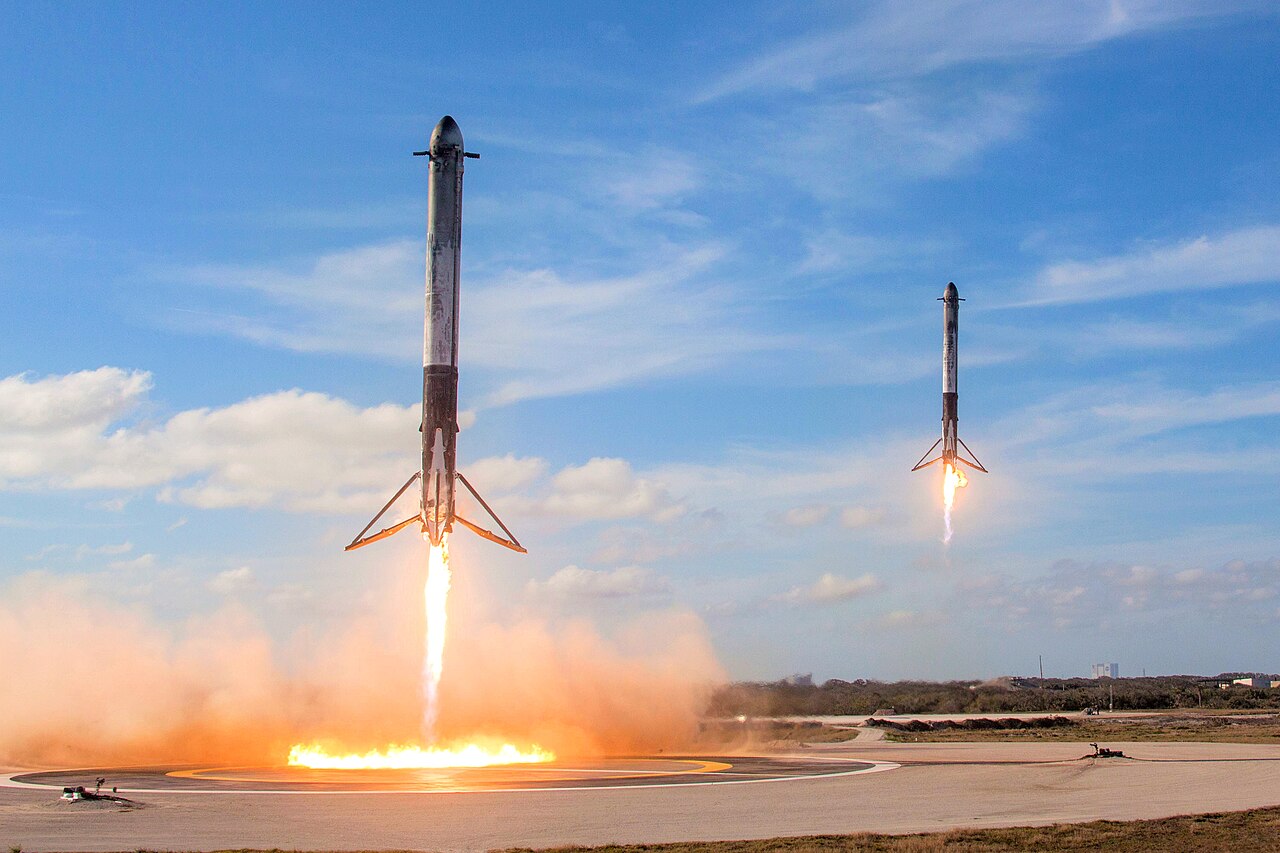
Sixteen years later the billboard works exactly as intended. The Roadster, Starman, Bowie on the radio — and both side boosters return to landing zones and stick the landing while the world is still watching the car. The centre core has a hard day on the droneship. That is fine. You iterate in public. The best part is no part, except when the part flies twice. I watch this the Everyday Astronaut way, not the cable-news way: you are watching the reuse thesis play out on the same flight that threw a car past Mars for the meme, and the awe does not wear off just because you already knew the plot.
Inspiration is not soft. It is why Mars Oasis existed in the first place. Falcon Heavy is that instinct at internet scale, and it is why I am writing this down for the people who just got pulled in, not only for the ones who already knew every landing burn.
Starman is still out there on a long ellipse, a ridiculous and perfect souvenir. What I am watching for next is quieter and harder: Crew Dragon’s Demo-1 mission, flying uncrewed to the International Space Station and docking itself. That is the taxi that puts crew back on American rockets. If Falcon Heavy is what pulls the public in, that capsule is the next milestone that actually moves the map.
Next up: Demo-1 — Dragon docks itself, and the taxi starts to look real.